
As autonomous weapons systems make their way onto the battlefield and international negotiations stall, specialist Axel Mazolo proposes a Swiss counter-model: a certification label for military algorithms. An initiative both technical and diplomatic, faithful to the core identity of Swiss neutrality.
Geneva. In an era where warfare is turning digital and lethal decisions are made in milliseconds, human control over the machine is eroding. In this unprecedented context, can Switzerland, the historical guardian of humanitarian law, still play a driving role? For Axel Mazolo, PhD in administration and expert in artificial intelligence governance, the answer is a firm “yes”—though it will require innovation.
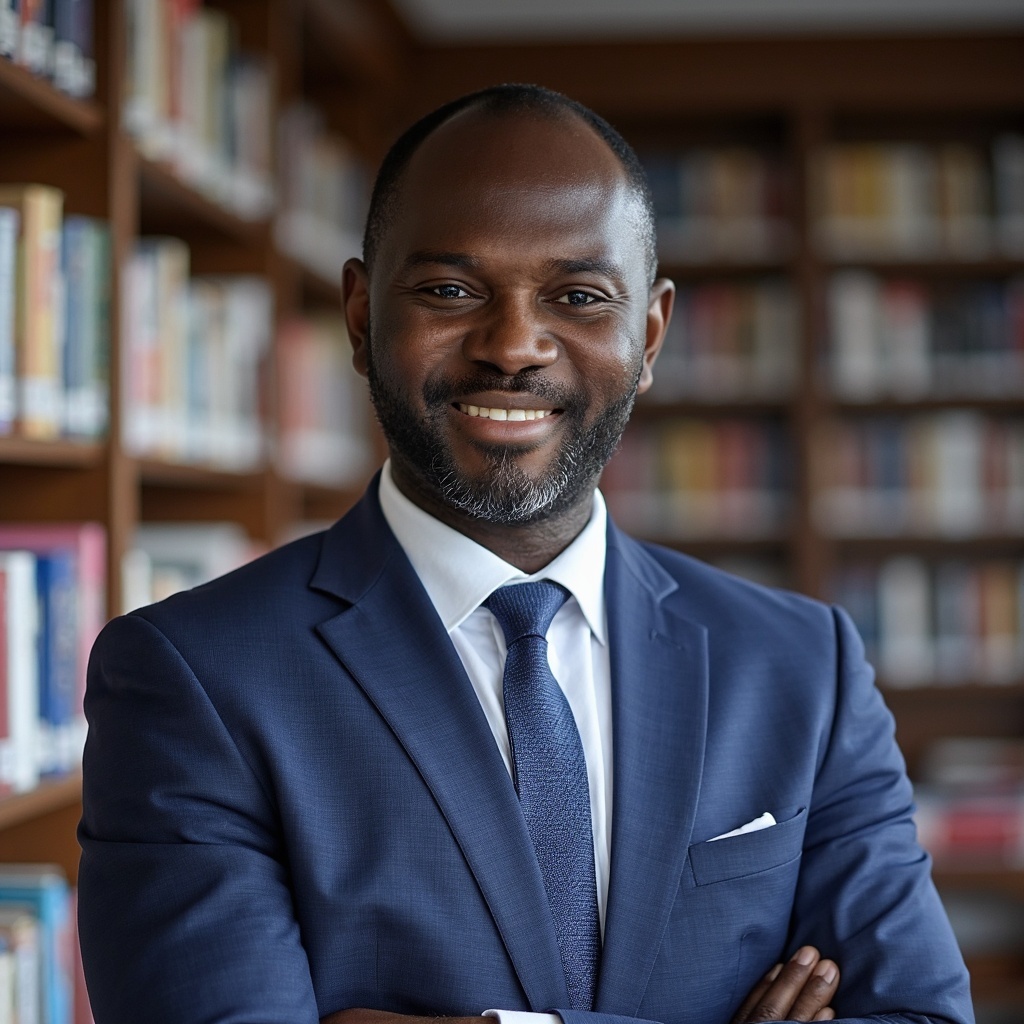
In an ambitious report, Axel Mazolo puts forward an idea as pragmatic as it is bold: the establishment of a Swiss label to certify algorithms integrated into lethal autonomous weapons systems (LAWS). Faced with the paralysis of UN institutions and the accelerating algorithmic militarization, this label would not be an ethical gimmick, but a potent diplomatic lever.
An Arms Race on an Algorithmic Scale
LAWS—weapons capable of identifying and striking a target without human validation—are already deployed in conflicts such as those in Ukraine or Libya. The speed of their execution, coupled with the opacity of their algorithms, challenges the very foundations of international humanitarian law: distinction between civilians and combatants, proportionality, and accountability in the event of an error.
Axel Mazolo emphasizes that the law struggles to keep pace with technological innovation, and that multilateral diplomacy, trapped by the requirement of consensus, is currently incapable of establishing safeguards. In this vacuum, he proposes anchoring Swiss action in a “digital neutrality” adapted to our era.
Redefining Swiss Neutrality
Digital neutrality, according to Mazolo, is not confined to military abstention. It becomes active, driven by concrete commitments: rejecting algorithmic proliferation, promoting cybersecurity, and ensuring the transparency of intelligent weapon systems.
This is where the Swiss label comes in. Issued by an independent foundation under Swiss law, it would draw inspiration from standards in the aerospace, medical, and financial sectors. The certification process would evaluate not only the technical robustness of a system, but also its compliance with humanitarian law, its resilience to cyberattacks, and the ethical governance of its development.
“We are not certifying perfection,” Axel Mazolo clarifies, “but rather a rigorous, transparent, and auditable process. A standard of due diligence that holds developers and operators accountable.”
Obstacles and Ambition
The concept, while praised for its coherence, is not without pitfalls. Major powers—the United States, China, Russia—have little interest in submitting their weapons to third-party scrutiny, however neutral it may be. The risk of “label-washing”, where certification is instrumentalized for public relations purposes, is real. Similarly, some advocates fear that this technical approach may divert attention from a more radical objective: an outright ban on LAWS.
Yet Axel Mazolo embraces this middle ground. For him, a label does not replace an international treaty, but rather lays the groundwork. It creates islands of trust, encourages the integration of ethics “by design,” and structures a debate that is all too often diluted in abstraction or technological escalation.
The Swiss Wager
Mazolo's project follows the tradition of Swiss good offices, but with twenty-first-century tools. It addresses diplomats as much as engineers, legal scholars as much as cybersecurity experts. In a fragmented world, where innovation precedes regulation, it invites Switzerland to transform its historical neutrality into normative power.
Ultimately, it is a call not to let warfare become an exclusively algorithmic affair. And a reminder, through standards if treaties fall short, that the human element must never be removed from the loop.
“Neutrality is no longer about silence. It is the active construction of peace. Even in cyberspace.” — Axel Mazolo