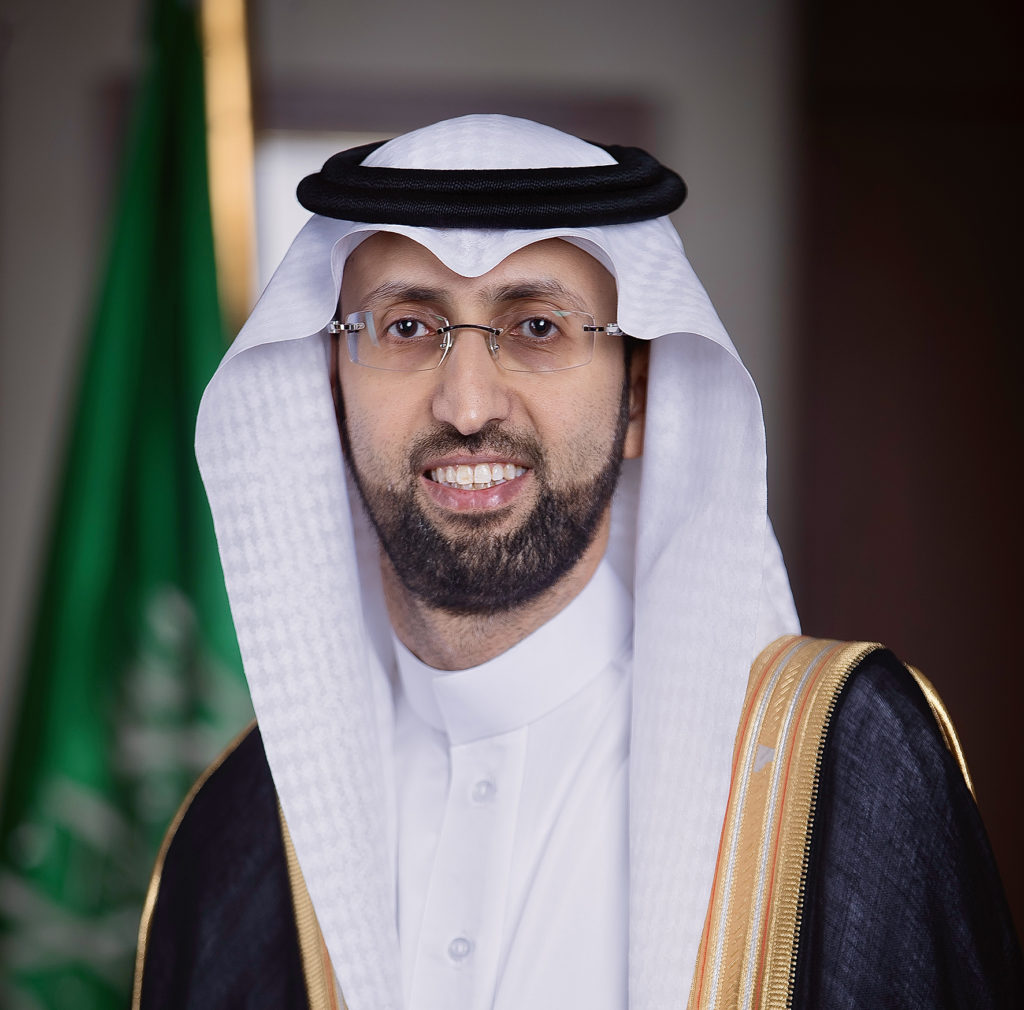
A member of the Codex Alimentarius since 1968, Saudi Arabia has long been committed to improving global food safety standards. On 27 November, at the 47th session of the Codex Alimentarius Commission (CODEX) in Geneva, Saudi Arabia was elected to the vice-chairmanship of the commission. An opportunity to look at the kingdom’s food safety strategy with the Chief Executive Officer of the Saudi Food and Drug Authority (SFDA), Hisham bin Saad Aljadhey.
Interview by Rohan Sant
What role does Saudi Arabia play in food safety, and what are its priorities at regional and international level?
The SFDA plays a central role in overseeing food safety and promoting public health in Saudi Arabia, working closely with every stakeholder in the food chain. Its mission, its vision and its 2023-2027 strategic plan set out a clear roadmap for consolidating its leadership in food safety and quality. The SFDA relies on a science-based regulatory framework, contributing to the development of national food standards while playing an active role on the regional and international stage. It also carries out a meticulous assessment of potential risks in the supply chain, based on rigorous scientific data. In addition, monitoring and control programmes make it possible to carry out inspections and take samples at every stage of food production. Finally, raising awareness among manufacturers and consumers of good food safety practices lies at the heart of its initiatives. At regional level, we work with organisations such as the Gulf Cooperation Council (GCC), the Arab Industrial Development, Standardization and Mining Organization (AIDSMO) and the Standards and Metrology Institute for Islamic Countries (SMIIC) to harmonise food regulations and standards. This cooperation facilitates trade and ensures the safety of food and feed. At international level, we engage actively with organisations such as the Codex Alimentarius Commission (CODEX), the International Organization for Standardization (ISO) and the World Trade Organization (WTO).
What does the vice-chairmanship of CODEX mean for Saudi Arabia?
Saudi Arabia’s election to the vice-chairmanship of the Codex Alimentarius Commission is international recognition of our commitment to global food safety. This strategic role allows us to increase our influence in shaping global policy on food standards. The position also fosters stronger international partnerships, enabling us to work with other member countries to tackle shared challenges through innovative and inclusive solutions. Saudi Arabia aims to play a driving role within the Codex, promoting global food safety through cooperation, innovation and a spirit of inclusiveness. These efforts are also fully in line with the Sustainable Development Goals (SDGs) set by the UN.
What impact do Codex standards have on Saudi Arabia’s trade, particularly food imports and exports?
The Codex Alimentarius standards, recognised worldwide, serve as a reference for WTO agreements, thereby facilitating fair trade. These standards ensure that exported products meet the requirements of importing countries, reducing trade barriers and protecting consumers. For Saudi Arabia, alignment with these standards strengthens our capacity to export food products that comply with international standards, while ensuring the quality of imported food. This simplifies regulatory processes and promotes trade, particularly with countries that also apply Codex guidelines.
How do Codex standards contribute to public health initiatives in Saudi Arabia?
Saudi Arabia is a pioneer in efforts to improve public health, notably through the reduction of industrially produced trans fatty acids. We co-chair a Codex working group tasked with revising the standards for fats and oils in order to limit the industrial production of trans fatty acids. This work has earned us recognition from the World Health Organization (WHO), which has ranked the Kingdom among the first five countries to have eliminated these harmful substances. These initiatives reflect our commitment to protecting the health of Saudi citizens while serving as a model for other nations. Indeed, the efforts to eliminate trans fatty acids form part of a broader strategy aimed at improving food quality and reducing diet-related diseases.
What challenges does Saudi Arabia face in implementing international standards, and what opportunities arise from them?
Implementing international food safety standards poses challenges, notably adapting industry practices and consumer behaviour. Small businesses in particular may lack the resources to comply with the requirements. Nevertheless, these efforts also open the way to major opportunities. Adherence to international standards notably strengthens Saudi products’ access to global markets, improves public health by reducing foodborne illnesses and increases consumer confidence. Moreover, adherence to Codex standards helps attract investors and encourages the adoption of cutting-edge technologies. One exemplary initiative is the development and implementation of our own calorie declaration system (NUTRICAL), which raises consumer awareness of healthier eating through transparent labelling.
How do Codex standards protect consumers, and how are these protections communicated?
Codex standards, which are based on scientific data, ensure safe practices at every stage of the food chain, thereby reducing health risks. They also strengthen consumer confidence in the quality of products available on the market. To raise public awareness, we organise information campaigns and educational workshops. We also publish accessible reports and guidelines highlighting the food safety measures adopted in line with Codex standards.
Does technology play a role in implementing Codex standards in Saudi Arabia?
Technology is a key lever for us. We are convinced that tools such as artificial intelligence, blockchain and data analytics strengthen traceability and quality control throughout the supply chain. We have already digitalised several of its processes, notably inspections and reporting. We also plan to integrate smart technologies into food production and storage to ensure optimal conditions. These advances form part of our strategic plan and our steadfast commitment to food safety and product quality.
Translated from French. The French original prevails.