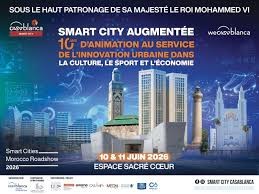
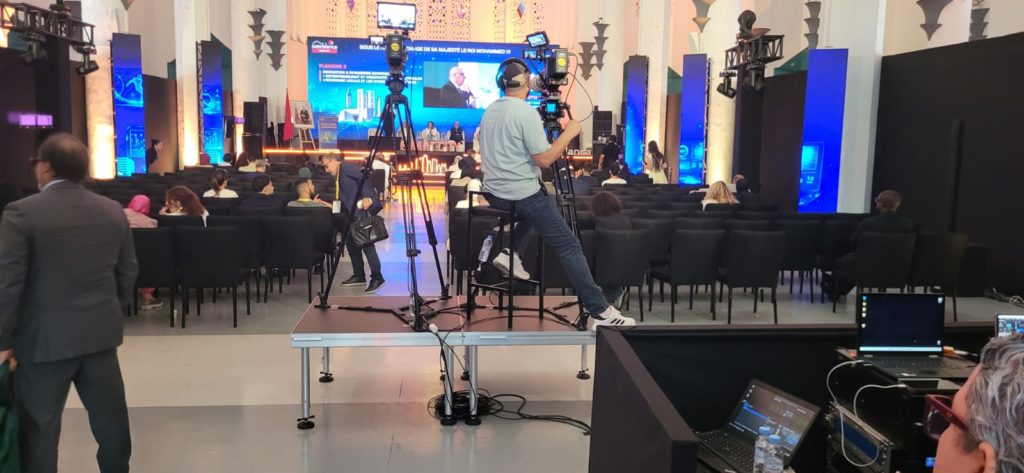
Casablanca. Ten years after its launch, Casablanca Smart City has entered a new dimension. On 10 and 11 June, in the majestic setting of the former Sacred Heart Church, Morocco’s economic capital hosted the tenth edition of an event that has become one of Africa’s leading platforms for reflection on the cities of the future.
Long associated with technological innovation, connected infrastructure and digital solutions designed to streamline urban services, the “smart city” now appears to be entering a new phase of maturity. In Casablanca, the debates revealed a significant shift: beyond technology, it is now the question of trust that is emerging as the real challenge facing the metropolises of the 21st century.
This anniversary edition, held under the theme of the “Augmented City”, brought together elected officials, academics, entrepreneurs, researchers, civil society representatives and international experts around a shared question: how can artificial intelligence, data and new technologies be used to improve urban life without undermining the bond of trust between citizens, institutions and economic actors?
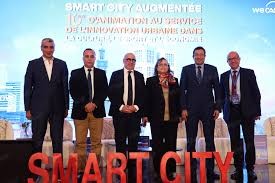
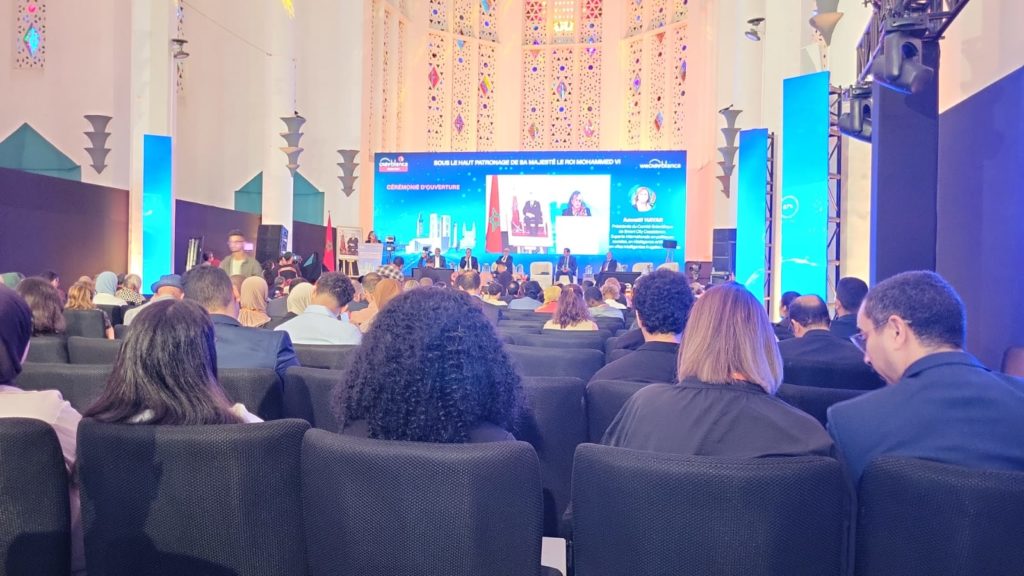
Among those behind this success is Mohammed Khalil, a professor at Hassan II University, a recognised specialist in artificial intelligence and a leading figure in Morocco’s digital ecosystem. A co-founder of MoroccoAI, he has spent several years working to bring together academia, public policymakers and businesses in order to foster the emergence of responsible governance of artificial intelligence in Morocco.
His influence could be felt in the very direction of the debates. Far from a technocratic vision of the smart city, Casablanca Smart City 2026 favoured an approach centred on people, responsible innovation and citizen participation. It is a philosophy that Mohammed Khalil regularly champions: technology only makes sense when it enhances human capabilities and improves citizens’ quality of life.
This concern ran through all the conferences, whether on mobility, culture, the economy, heritage or urban governance. In a world where algorithms play a growing role in public decision-making, the question of trust emerged as an issue as important as technological performance itself.
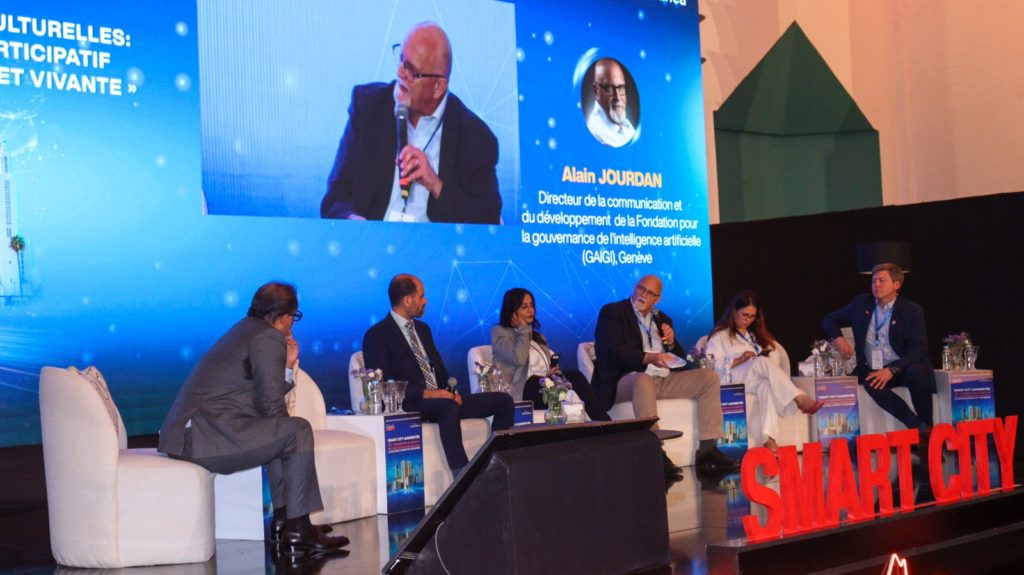
Among the international speakers, Alain Jourdan, director of communications at the Geneva AI Governance Institute (GAIGI), placed particular emphasis on this dimension during the Circle devoted to the economy, innovation, culture and heritage.
A former journalist specialising in international relations and information warfare, he argued that the smart cities of tomorrow will above all have to be “ecosystems of trust”. In his view, the success of digital public policy will depend less on the sophistication of the technology than on its ability to earn citizens’ trust.
“A city can be technologically advanced and yet fragile if its citizens no longer trust the institutions, the information in circulation or the use being made of their data,” was the gist of what he told participants.
These reflections take on particular resonance at a time marked by an explosion of disinformation, a proliferation of AI-generated content and a rise in information manipulation. For Alain Jourdan, the metropolises of the future will need to invest as much in information resilience as in digital infrastructure.
His address also highlighted Geneva’s growing role in global debates on the governance of artificial intelligence. While discussions on regulation sometimes pit the major technology powers against one another, the Swiss city is gradually establishing itself as a forum for dialogue bringing together international organisations, governments, businesses and research centres.
The presence of players such as the Geneva AI Governance Institute reflects this ambition to foster international mechanisms capable of ensuring the responsible and interoperable use of artificial intelligence.
This international outlook was one of the hallmarks of the 2026 edition. Across the various round tables, speakers stressed that smart cities will only be able to meet the challenges of tomorrow by reconciling technological innovation, social inclusion, environmental sustainability and democratic governance.
By the end of the two days, one conviction seemed to be shared by all the participants: the city of the future will not simply be more connected. It will have to be more transparent, more resilient and more trustworthy.
Ten years after its creation, Casablanca Smart City thus appears less a technology fair than a think tank in which a new conception of the smart city is taking shape. A city where artificial intelligence, far from replacing human beings, becomes a tool serving development, civic participation and the strengthening of social ties.
At a time when many major cities are seeking their way in the global digital revolution, Casablanca clearly intends to make a distinctive voice heard: that of innovation placed at the service of trust.
Translated from French. The French original prevails.