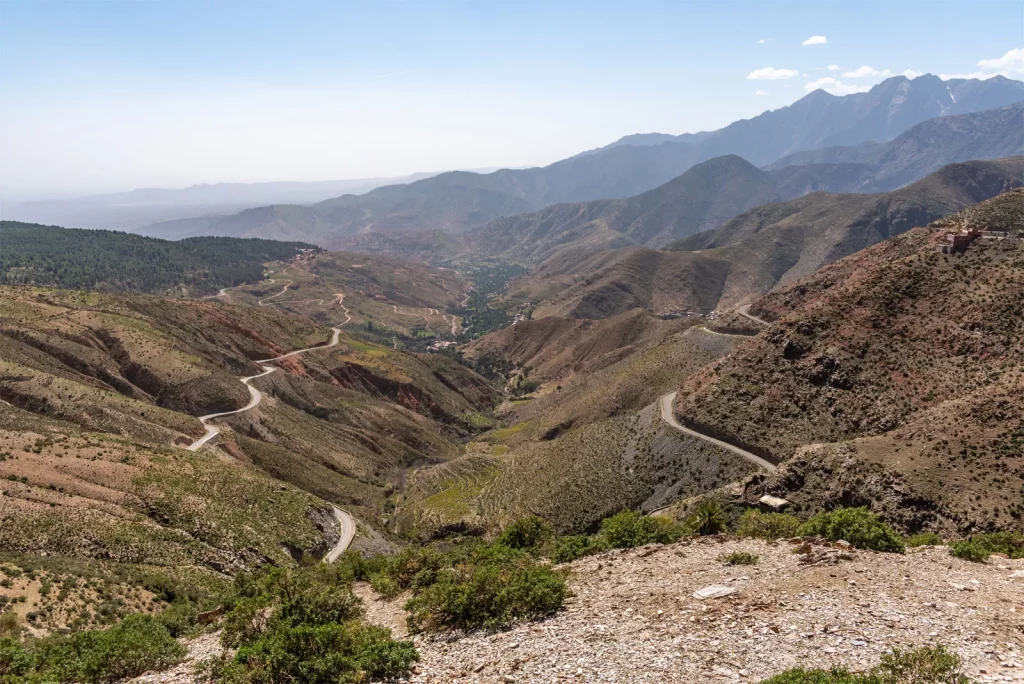
In the shadow of Marrakesh, the province of El Kelâa des Sraghna has long kept a low profile. Although it lies close to an international tourist hub, it has never fully capitalised on that proximity. Reduced to the role of an agricultural hinterland or an occasional day-trip destination, it nonetheless has far richer resources than it might appear — resources still awaiting coherent organisation.
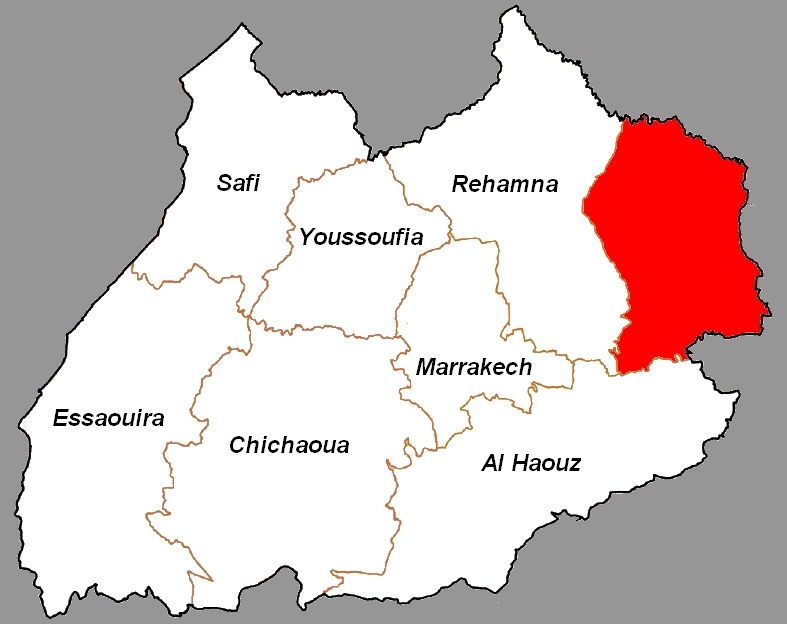
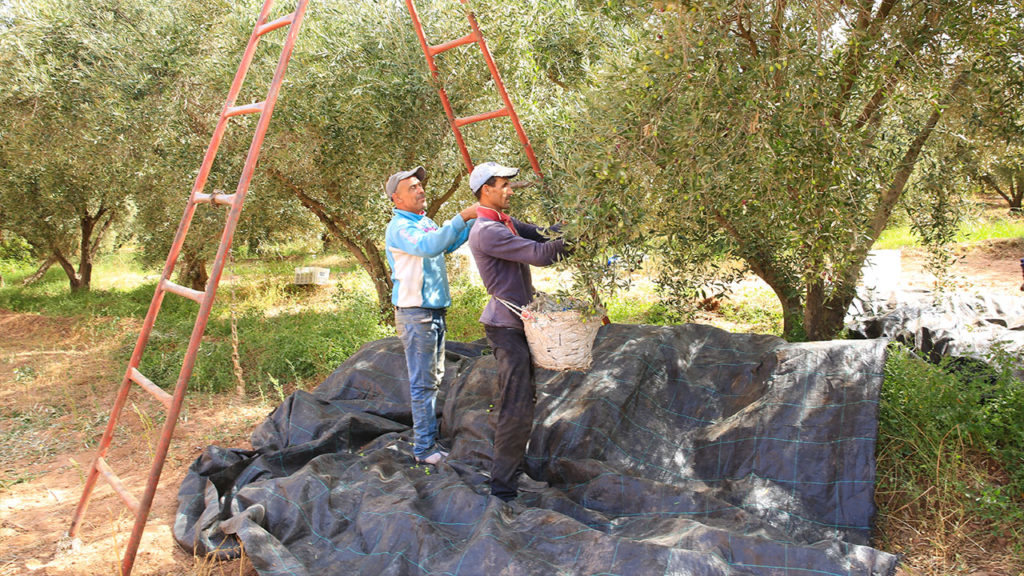
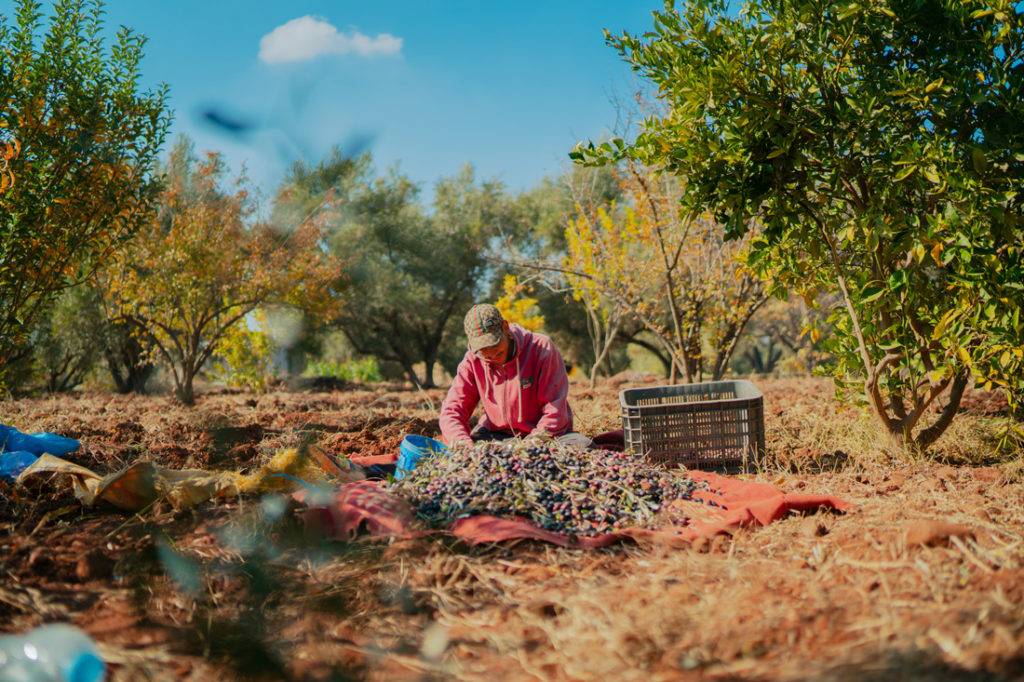
The province is above all a land of olive trees. Olive growing shapes its landscapes, its local economy and its ways of life. Yet, as in many agricultural regions, the question is no longer merely one of production, but of adding value. Local processing, quality labelling, short supply chains, structured exports: these are all avenues that remain only partly exploited.
This observation is part of a wider issue: how to turn a traditional agricultural economy into a lever for modern territorial development, capable of generating more added value and lasting jobs.
An understated but genuine cultural heritage
Beyond its agricultural identity, El Kelâa des Sraghna has an often underestimated cultural heritage. Oral traditions, craft practices, local moussems and certain forms of rural artistic expression make up a significant intangible asset.
Several cultural events already punctuate local life — traditional music festivals, harvest celebrations, craft gatherings — but they still attract little attention nationally. Organising them better and linking them together could nevertheless help make the area more attractive.
At a time when travellers are increasingly seeking authentic experiences, this type of heritage could become a genuine asset. Provided, once again, that the province moves beyond isolated initiatives to build a clear and coherent offering.
The tourism challenge: standing out next to Marrakech
The province’s main challenge remains its positioning. Today, El Kelâa des Sraghna is largely seen as a rural extension of Marrakech rather than as a destination in its own right. This inevitably limits its ability to attract tourist flows and investment.
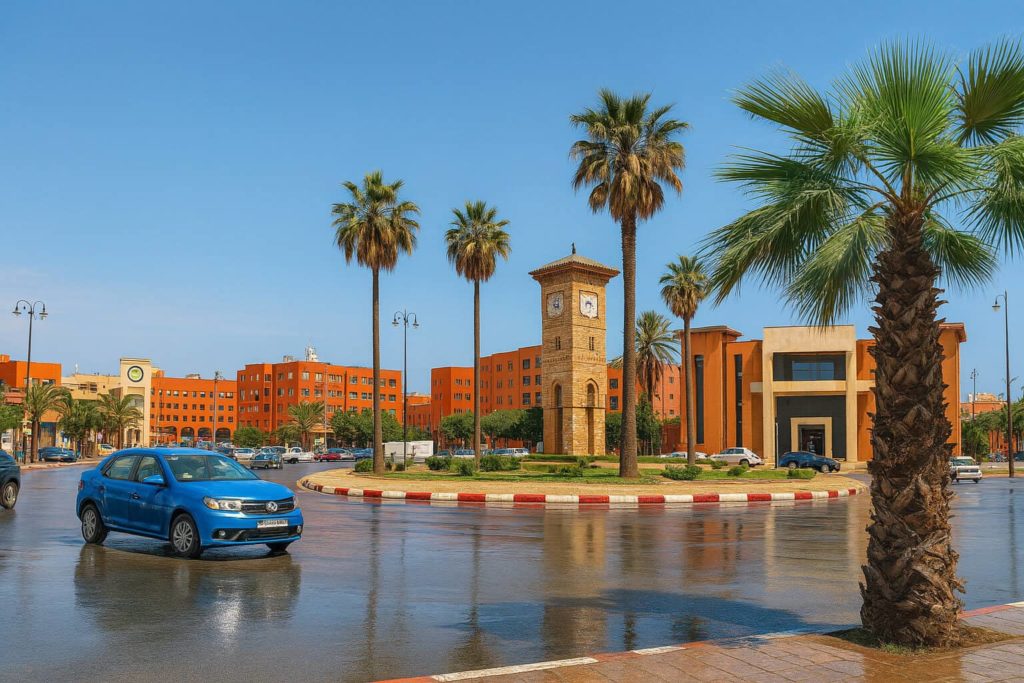
The aim is not to compete with Marrakech, but to stand apart from it. Whereas the Ochre City offers a dense, urban and international product, El Kelâa des Sraghna could embody an alternative built on rural life, authenticity and closeness to its local terroirs. It is precisely within this approach that the work of the governor Samir Lyazidi fits.
A catalyst rather than a clean break
At the head of the province, the governor Samir Lyazidi appears to favour a gradual approach, focused on building structures rather than on spectacular announcements. His experience in other territories suggests a degree of strategic caution: consolidating the foundations before aiming for a broader repositioning.
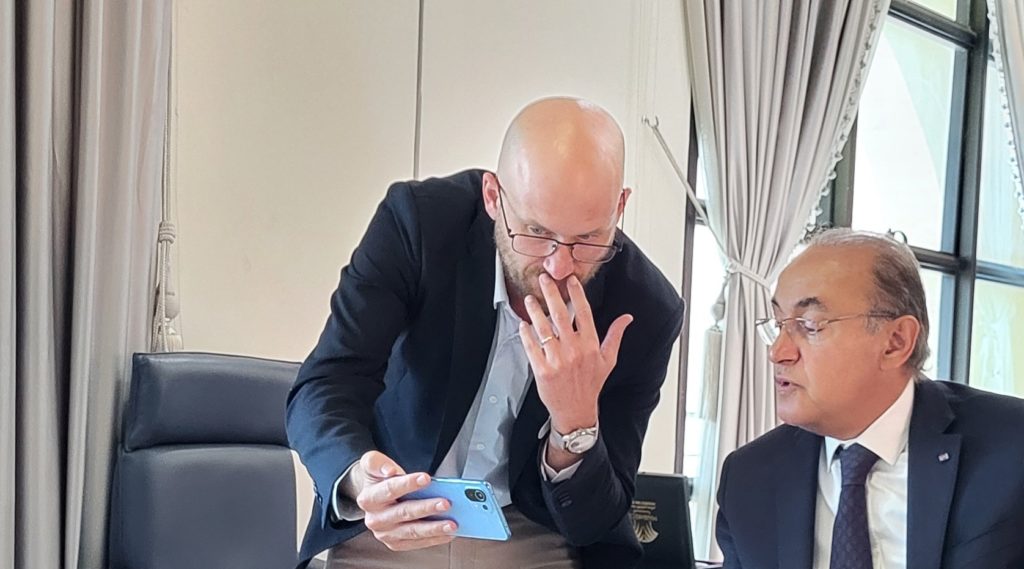
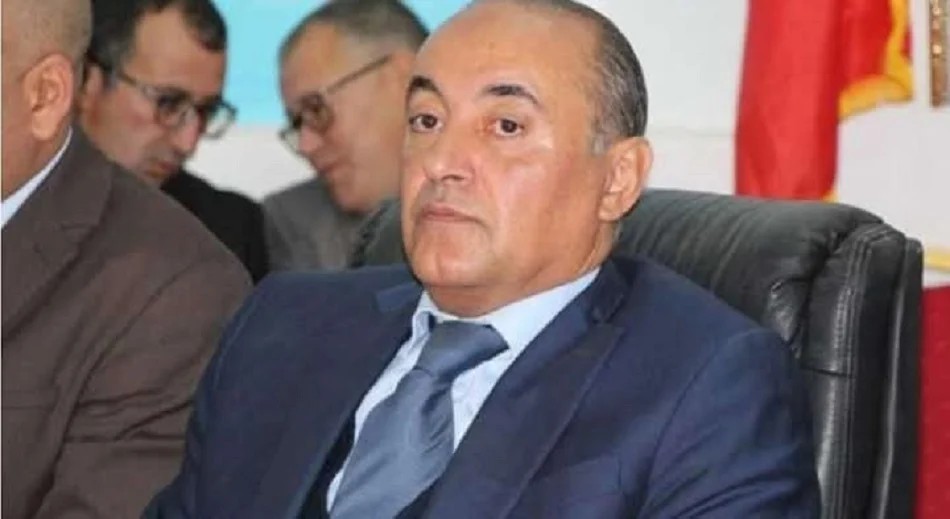
His work centres on conventional but essential levers: improving infrastructure, supporting local economic players, and initiating a debate on the territory’s identity.
At local meetings, he regularly stresses this need to build collectively:
“A territory is not transformed by decree. It is built over time, with its stakeholders, drawing on its own resources.” It is with this in mind that the notion of a “territorial brand” is beginning to emerge. The aim is not solely economic but also symbolic: to give the province a visibility and coherence that it still lacks.
Towards a stronger territorial identity?
The project, still a work in progress, seeks to make El Kelâa des Sraghna something more than a secondary destination. This means connecting several dimensions: agriculture, culture and tourism, but also quality of life and appeal as a place to live. The governor sums up what is at stake in these terms:
“We no longer want to be merely a territory that people pass through or visit for a day. The ambition is to become a destination in its own right, with a clear identity that we fully embrace.”
This ambition calls for structural choices: which projects should take priority? What investment? What territorial narrative? And above all, how far can local stakeholders be mobilised over the long term around a shared vision?
A pivotal moment
El Kelâa des Sraghna now stands at a turning point. It has a genuine economic base, a cultural heritage that can be put to use and an institutional will to shift its positioning. But as is often the case in such circumstances, turning potential into reality will depend on the coherence and continuity of public action.
In this process, the governor’s role appears less that of a providential figure than that of a conductor. His ability to provide structure, to arbitrate and to maintain a clear sense of direction will be decisive. As he himself stresses: “The sustainable development of a region depends less on grand announcements than on consistency, coherence and trust.”
Translated from French. The French original prevails.