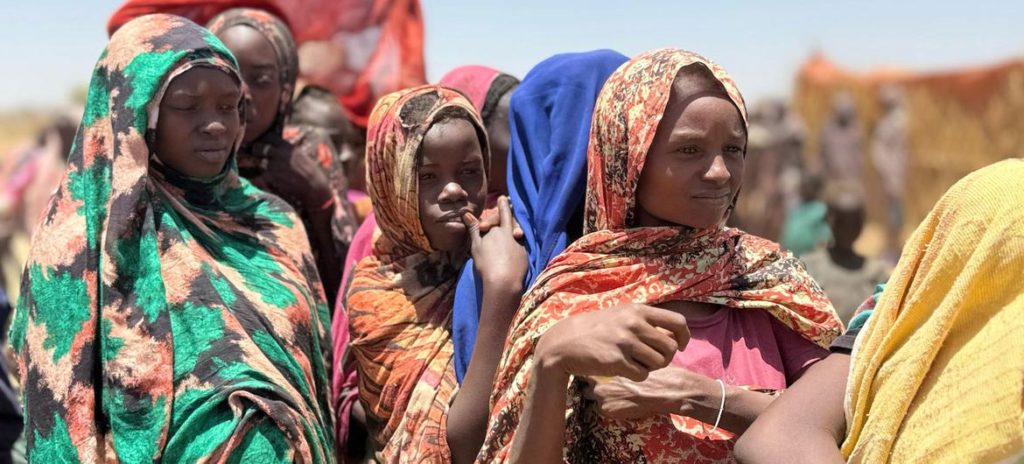
Young women queue to receive humanitarian aid in a camp for displaced people in Sudan.© UNICEF/Mohammed Jamal
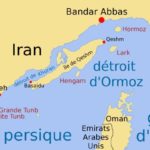
The humanitarian crisis is worsening in Sudan, where intensifying fighting and flooding are causing fresh displacement. In the Kordofan region, more than 200,000 people have been displaced since the end of 2025, a UN agency warned on Wednesday. And the closure of the Red Sea and the Strait of Hormuz is further threatening access to humanitarian aid.
According to the International Organization for Migration (IOM), fighting continues to cause mass displacement in several regions of Sudan. In North Kordofan, clashes in Um Arada, south-west of El Obeid, displaced more than 4,200 people last weekend.
In Blue Nile, violence around Geissan has displaced 7,800 people, some of whom have fled to Ethiopia. In West Darfur, nearly 18,000 people were also displaced during the first half of August. The conflict, already devastating, is now compounded by climate disasters and new threats to relief efforts.
“The warning signs are impossible to ignore. Across Sudan, families are fleeing violence, losing access to water, electricity and healthcare, and are now facing the added burden of devastating floods. Without urgent action to protect civilians and restore essential services, the suffering will only get worse,” IOM Director General Amy Pope said in a statement.
More than 11 million forcibly displaced
Even though a “significant number” of people are returning to the capital, Khartoum, the East African country has 11.3 million people forcibly displaced since April 2023, including 6.5 million within the country and 4.6 million in neighbouring countries, according to the latest count by the Office of the United Nations High Commissioner for Refugees (UNHCR).
In other parts of the country, the escalating conflict, repeated attacks on infrastructure and devastating seasonal floods are deepening humanitarian needs and pushing families beyond their limits.
According to IOM, heavy rains in Tawila, North Darfur, destroyed or damaged nearly 1,350 homes last week, displacing more than 1,000 families, while further flooding in Kabkabiya and Shangil Tobaya forced dozens of families into emergency shelters.
In North Kordofan, intensified fighting and drone strikes on El Obeid’s main power transformer have caused lengthy power cuts, disrupting water pumping, health facilities and telecommunications.
“Sudan is one of the largest displacement crises in the world. The combined impact of conflict, damage to infrastructure and flooding is pushing thousands of families beyond their limits,” Ms Pope added.
These latest developments come as humanitarian access is still being disrupted by delays in global supply chains, notably via the Red Sea and the Strait of Hormuz, adding pressure to an already fragile response.
$1.2 billion received
Despite the insecurity, the UN and its humanitarian partners continue to deliver aid to people in need. Across the Darfur region, the World Food Programme (WFP) provided food assistance to some 2.3 million people last month.
IOM, for its part, is stepping up its response. Over the past 72 hours, the UN agency has delivered 1,750 tonnes of humanitarian supplies, including 17,750 hygiene kits and 850 tents, which have already directly helped more than 110,000 people in the areas where needs are most acute. That figure will exceed 400,000 in the coming days.
“IOM is committed to providing life-saving assistance, but urgent support is needed to sustain shelter operations and humanitarian supply chains before the situation deteriorates further,” stressed Ms Pope, who is calling for increased support to ensure that humanitarian aid continues to reach the millions of people affected across Sudan.
It should be noted that the UN’s overall humanitarian appeal for Sudan launched this year is only around 41% funded, with $1.2 billion received out of the $2.9 billion required.
Translated from French. The French original prevails.