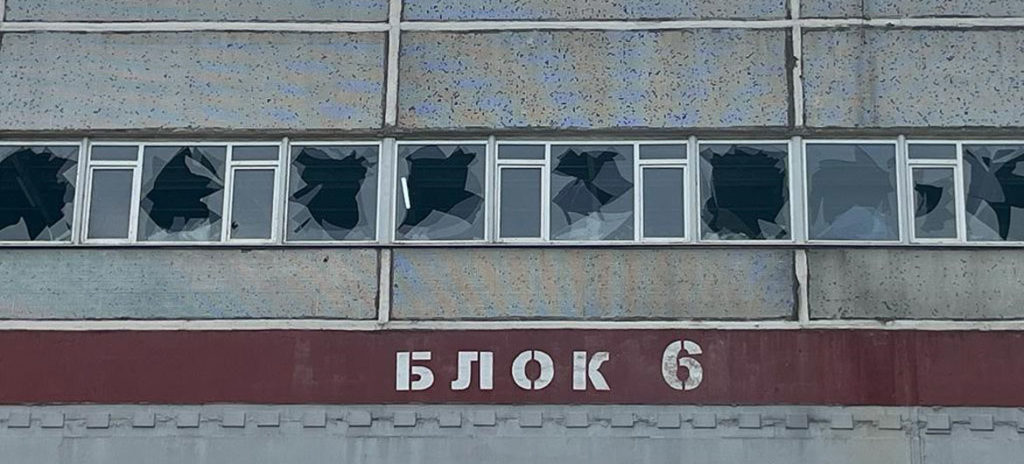
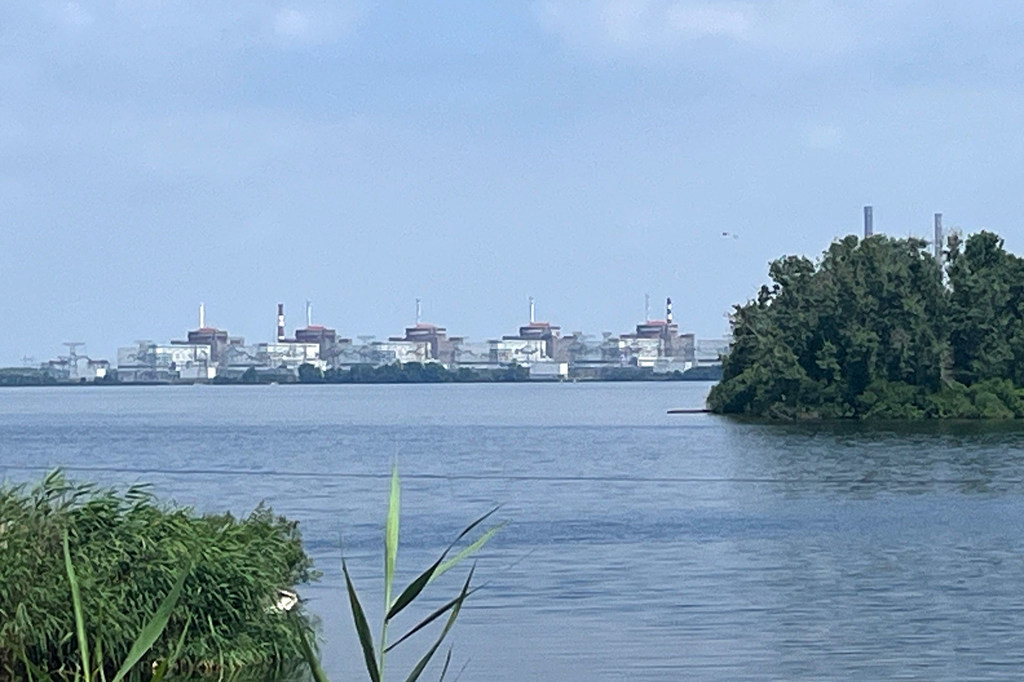
Ⓒ IAEA The Zaporizhzhia nuclear power plant in eastern Ukraine.
As the war in Ukraine drags on, the fragility of the electricity grid continues to pose a direct threat to the safety of the country’s nuclear facilities. On Friday, the International Atomic Energy Agency (IAEA) sounded the alarm over the heightened risk of nuclear accidents.
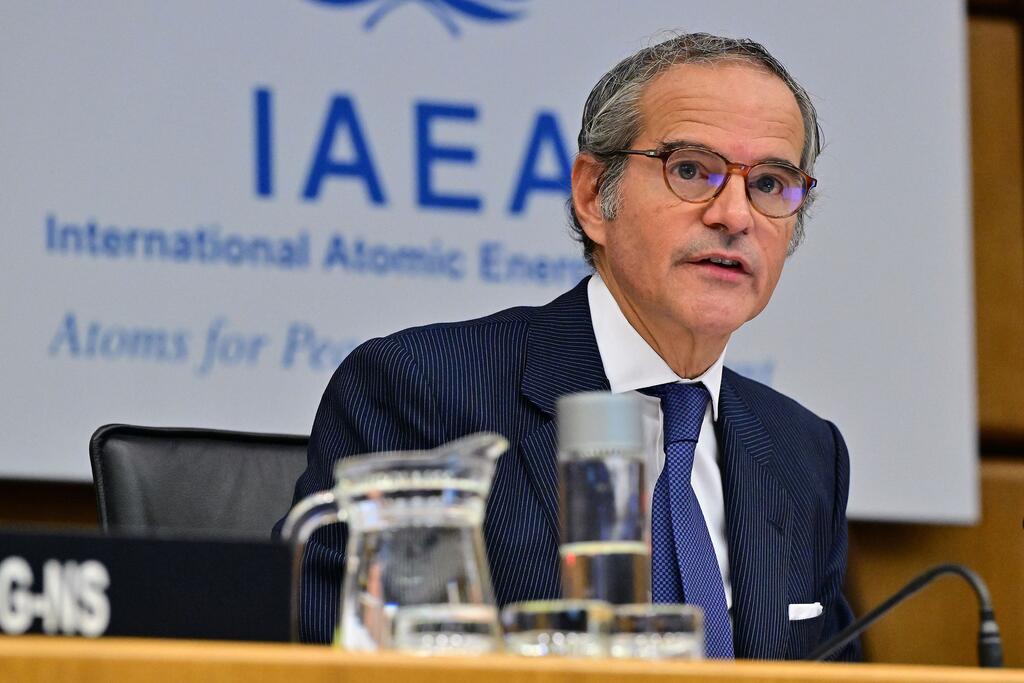
Its Director General, Rafael Mariano Grossi, did not mince his words after four years of conflict in Ukraine. “It continues to represent the greatest threat to nuclear safety in the world,” he said at a meeting of the IAEA Board of Governors at the UN agency’s headquarters in Vienna, Austria.
Since the start of Russia’s full-scale invasion of the country, Ukraine’s nuclear power plants have been operating in a degraded environment, at the mercy of an electricity grid regularly damaged by Russian strikes and fighting. Yet, the IAEA chief pointed out, without a reliable off-site power supply, no plant can operate safely, even when shut down.
His warning came after US President Donald Trump announced on Thursday that the Kremlin had agreed to a temporary pause in its missile attacks on Kyiv because of the intense cold gripping the Ukrainian capital.
© IAEA/Fredrik Dahl
The Zaporizhzhia nuclear power plant in Ukraine is one of the largest in the world.
Power lines become targets
At the heart of the Ukrainian grid’s vulnerability lies the Zaporizhzhia site in eastern Ukraine, Europe’s largest nuclear power plant, which is shut down but still dependent on a continuous electricity supply to cool its reactors and spent fuel pools. In recent months, the IAEA has had to negotiate four temporary ceasefires with the Ukrainian and Russian authorities so that damaged power lines could be repaired.
On 19 January, the plant was reconnected to its last 330-kilovolt back-up line, repaired after more than two weeks out of service. Until then, Zaporizhzhia had been left with just a single 750-kilovolt main line to power its safety systems, a situation the IAEA considers extremely fragile.
“I have repeatedly called, both here and at the United Nations Security Council, for these principles to be respected, particularly when it comes to maintaining the essential off-site power supply, without which a nuclear power plant cannot operate safely,” Mr Grossi stressed.
A pillar of safety under constant threat
The agency points out that a secure off-site power supply is one of the seven indispensable pillars of nuclear safety during an armed conflict, and one of the five principles established specifically to protect the Zaporizhzhia plant. These principles, Mr Grossi emphasises, enjoy broad international support, including from the warring parties, yet their implementation on the ground remains incomplete.
The risks are not confined to Zaporizhzhia. At Chornobyl, in the north of the country, military activity recently damaged a vital substation, disconnecting several power lines. The site had to fall back on emergency diesel generators to ensure the safety of the New Safe Confinement and the fuel storage facilities until the lines were restored.
© IAEA/Dean Calma
IAEA Director General Rafael Mariano Grossi before the agency’s Board of Governors in Vienna.
Substations under scrutiny
Aware that nuclear safety now depends as much on the infrastructure that supplies power plants as on the plants themselves, the IAEA has deployed teams of experts across the country. A mission is currently under way to assess the condition of ten electrical substations deemed crucial to nuclear safety, amid continuing strikes on Ukraine’s energy grid.
“Damage to substations undermines nuclear safety and must be avoided,” the Director General warned, pointing out that this requirement stems directly from the international standards in force.
A war without a nuclear firewall
Over the months, the IAEA has established itself as a force for technical stabilisation in a conflict in which the traditional safeguards have given way. But, as the agency itself acknowledges, its work cannot replace a political solution.
“The best way to guarantee nuclear safety and security, as well as the safety of people who have endured nearly four years of fighting, is to bring this conflict to an end,” Rafael Grossi concluded.
In a war where the front lines are constantly shifting, power lines have become fault lines too. And with them, the nuclear safety of an entire continent hangs on makeshift repairs, negotiated under bombardment.
Translated from French. The French original prevails.