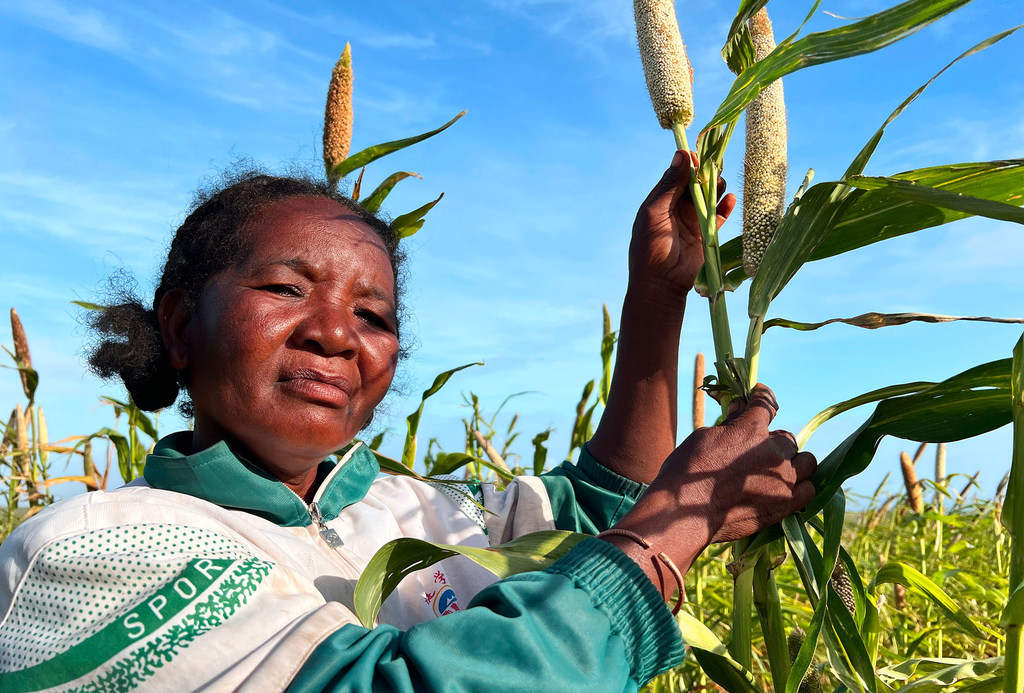
In Madagascar, farmers take part in early warning networks that provide information on weather conditions, including the El Niño phenomenon.UN News/Daniel Dickinson
Global food markets are expected to remain well supplied in 2026-2027, with cereal production close to record levels, according to the Food and Agriculture Organization of the United Nations (FAO). Behind this favourable outlook, however, the FAO sees several risks emerging: a possible return of El Niño, volatile energy and fertiliser prices linked to conflicts, geopolitical and trade tensions, and macroeconomic uncertainty.
Global harvests of wheat, coarse grains and rice are expected to fall from next year’s records while remaining high, supported by ample stocks. World cereal production is forecast to fall by 2.0% in 2026 to 2,982 million tonnes, utilisation to rise by 1.0%, and per capita consumption in low-income countries to fall by 0.4%. Wheat is set to drop by 3.8% to 810.9 million tonnes, owing to declines in Australia, the European Union and the United States, where a fall of 21.3% is expected.
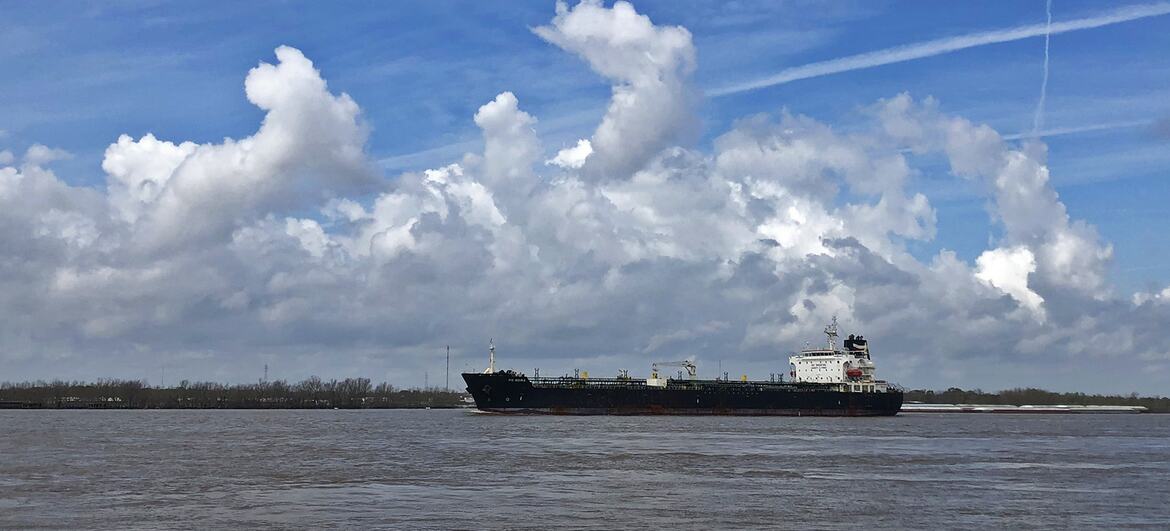
The fertiliser market remains exposed to events affecting transit through the Strait of Hormuz. UN News/Daniel Dickinson.
Fertiliser market remains exposed to the Strait of Hormuz
“Agrifood systems appear robust in terms of production, but risks are growing, and many of them could have rapid and damaging effects on global food supply and access,” said Maximo Torero, FAO Chief Economist.
Against this backdrop, the FAO warns of persistent fragility in global agricultural supply chains: global fertiliser trade fell by 20 to 25% between January and April 2026 compared with last year.
Although price rises have recently eased, concerns remain for the 2026/27 season, owing to a slowdown in purchases in Europe and North America, particularly of nitrogen and phosphates. “Market conditions remain highly sensitive to events affecting transit through the Strait of Hormuz,” the report stresses.
Food import bill
Separately, the report also presents updated estimates of the global food import bill for 2025, which is now expected to have risen by 7.9% on the previous year to a new record of $2.22 trillion.
This increase comes despite lower costs for cereals, sugar and oilseeds, and is driven by soaring prices for high-value products – coffee, cocoa, spices, animal products, fish, fruit and vegetables – imported mainly by high-income countries.
These countries account for more than two-thirds of spending and saw their imports rise by 9.3%, compared with 4.0% for upper-middle-income countries, 7.9% for lower-middle-income countries and 6.7% for low-income countries.
The FAO also stresses that, amid heightened geopolitical tensions, an oil shock can almost double the impact on food costs, amplified by risk premiums, insurance and logistical constraints.
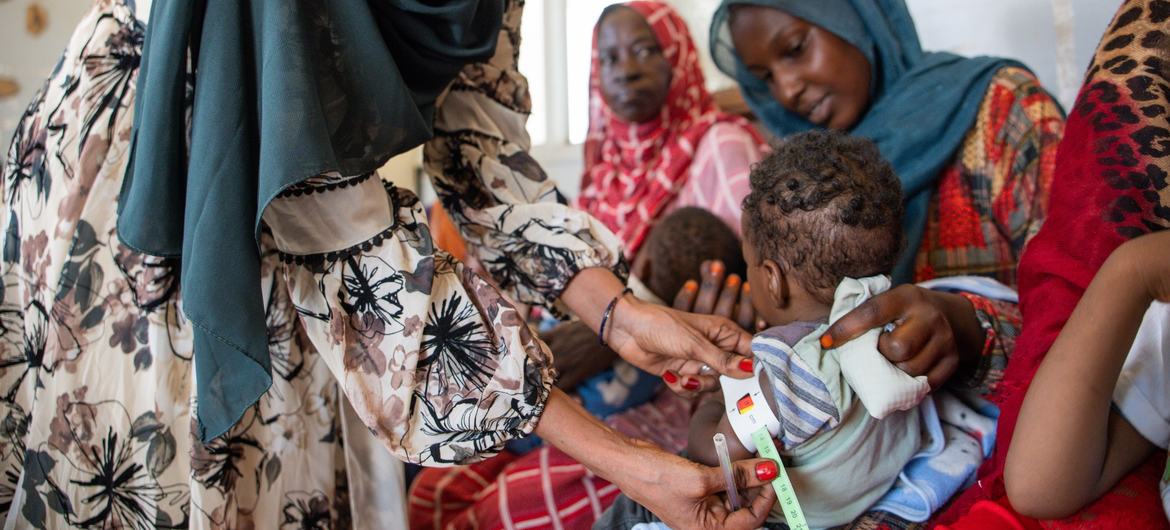
In Khartoum, Sudan, a health worker examines a child for signs of malnutrition. Across the world, conflict and climate shocks are fuelling hunger. UNICEF/Ahmed Mohamdeen Elfatih.
$202 million funding appeal
In addition, the FAO and the World Food Programme (WFP) have launched their first-ever joint appeal for anticipatory action, seeking $202 million to protect nearly nine million people from the potential impacts of a strong El Niño event in 22 high-risk priority countries.
United Nations agencies expect El Niño conditions to increase the risk of drought, floods and storms in parts of Africa, Asia, the Pacific, Latin America and the Caribbean.
The forecasts come at a time when millions of people are already facing acute food insecurity driven by conflict, economic instability, population displacement, recurrent climate shocks and economic disruption linked to the ongoing conflict in the Middle East.
The appeal focuses on 22 countries, including Cameroon, Ethiopia, Kenya, Madagascar, Malawi, Mozambique, Nigeria, Somalia, South Sudan, Sudan, Uganda and Zimbabwe. In Asia and the Pacific, the UN is targeting Afghanistan, Pakistan, the Philippines and Timor-Leste. In the Americas and the Caribbean, the countries concerned are Colombia, El Salvador, Guatemala, Haiti, Honduras and Venezuela.
Translated from French. The French original prevails.