From 3 to 8 February 2025, Geneva is hosting the 78th meeting of the Standing Committee of the Convention on International Trade in Endangered Species of Wild Fauna and Flora (CITES). The event brings together more than 600 participants, representing 70 Parties to CITES and more than 100 observer organisations, to discuss 87 agenda items. The meeting is all the more significant as it comes ahead of the 20th Conference of the Parties (CoP20), scheduled for November 2025 in Samarkand, Uzbekistan, which will mark the 50th anniversary of the Convention.
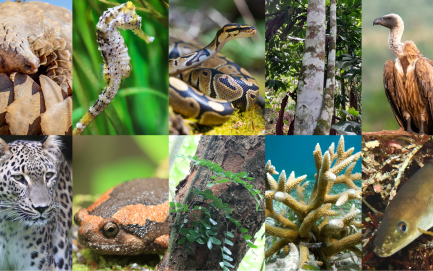
Among the key issues on the agenda at this session, elephant conservation takes centre stage. In particular, the Committee is examining the taxonomic distinction between the savannah elephant (Loxodonta africana) and the forest elephant (Loxodonta cyclotis), a recent scientific recognition that could shape protection measures specific to each species. In addition, the outcomes of the African elephant range States dialogue meeting, held in Botswana in September 2024, are being analysed with a view to strengthening national action plans against the illegal ivory trade.
Marine species are also at the heart of the discussions, with particular attention paid to sharks and rays. The Committee is assessing the findings of a Secretariat study on discrepancies between catch and trade data for CITES-listed shark species. The challenges of traceability and sustainability for these species, which frequently fall victim to overfishing, are a central concern.
Plant species are not being overlooked either, with a focus on rosewoods (Dalbergia spp. and Guibourtia spp.) and pernambuco (Paubrasilia echinata). The Committee is examining the impact of CITES exemptions on the conservation of these valuable species, as well as the needs for enforcement, stock management and capacity-building to support an effective traceability system, particularly for pernambuco bows.
Towards more inclusive governance
Beyond specific species, the Committee is addressing key cross-cutting issues. The involvement of Indigenous peoples and local communities in CITES processes is under discussion, with proposed new non-binding guidance on consultations concerning amendments to the Appendices of the Convention. This approach aims to make decisions more inclusive and better suited to the realities of the territories concerned.
Another major issue on the agenda is the role of CITES in reducing the risk of zoonotic diseases linked to the international wildlife trade. Since the COVID-19 pandemic, regulating the trade in exotic species and their potential impact on human health have become priorities. The Committee could propose stronger measures to avoid high-risk interactions and prevent possible new health crises.
Compliance matters are also crucial, with a review of the progress made by countries such as Cameroon, Nigeria, Vietnam and the Democratic Republic of the Congo in implementing the Convention. The challenges posed by illegal trade, captive breeding and national legislation are being examined in order to strengthen the effectiveness of CITES.
This 78th meeting of the Standing Committee is therefore a decisive moment for assessing progress and challenges in the conservation of threatened species. The decisions taken in Geneva will have a significant impact on conservation and sustainable trade policies, paving the way for CoP20 in Samarkand. As the 50th anniversary of CITES approaches, these discussions reflect the international community’s continuing commitment to global biodiversity.
In the face of the persistent threats posed by illegal trade, climate change and habitat loss, CITES must continue to evolve to meet contemporary challenges. The decisions taken in Geneva will determine not only the future of iconic species such as the elephant, the shark and tropical timber, but also that of ecosystems and the millions of people who depend on them. The stakes are high: striking a balance between conservation and the sustainable use of natural resources, while strengthening international cooperation to protect biodiversity for future generations.
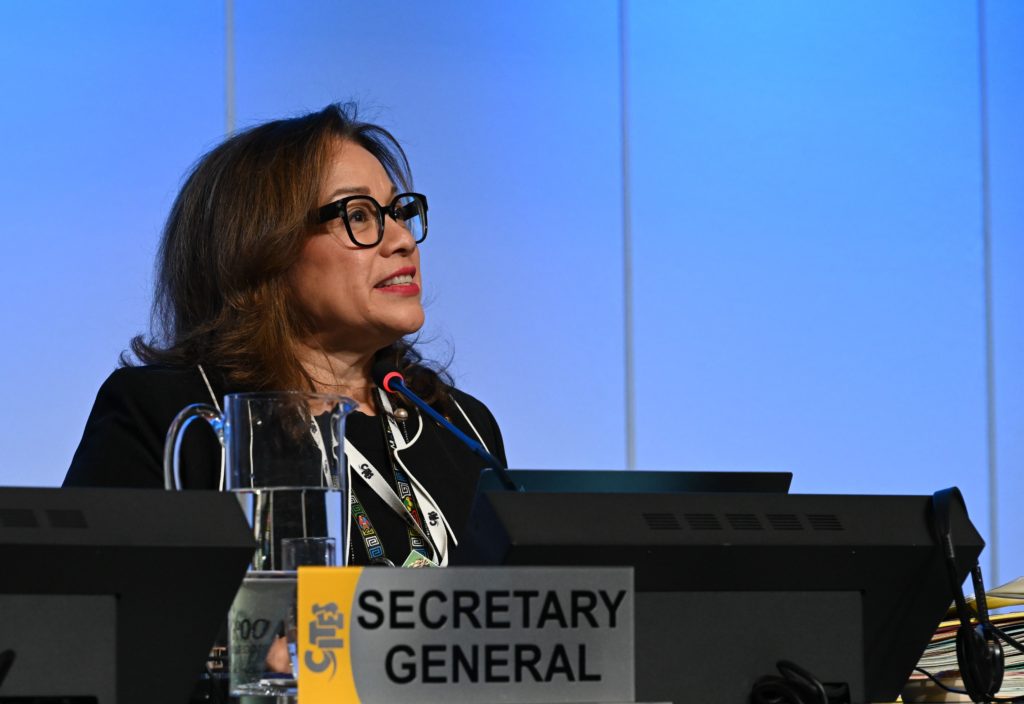
The Secretary-General of CITES, Ivonne Higuero, opened the 78th meeting of the Standing Committee in Geneva by stressing the importance of international commitment to sustainable and traceable trade in wildlife. The meeting marks 50 years of CITES and welcomes Turkmenistan as the 185th State Party. Discussions are focusing on species conservation, efforts to combat trafficking and the protection of CITES-listed trees. Ms Higuero also highlighted the involvement of young people and the progress made by Parties on compliance.
However, she warned of growing financial constraints at a time when the workload of CITES is intensifying. The budget has been exceeded, making it necessary to extend deliberations and find new sources of funding. Ahead of CoP20 in Samarkand, she called for stronger collaboration among the 185 Parties to adopt concrete recommendations and secure a future in which conservation remains a priority. She concluded by calling for collective action for a more sustainable world in harmony with nature.
Translated from French. The French original prevails.