By Nayl Tounsi El Azzoiani, Observatoire Géostratégique de Genève *
Donald J. Trump, the President-elect of the United States, made a striking impression with an unusual and audacious Christmas address in which he unveiled his geopolitical plans for his second term. With his inauguration, scheduled for 20 January, only days away, his radical intentions to redraw the map of the world are stirring controversy and concern.
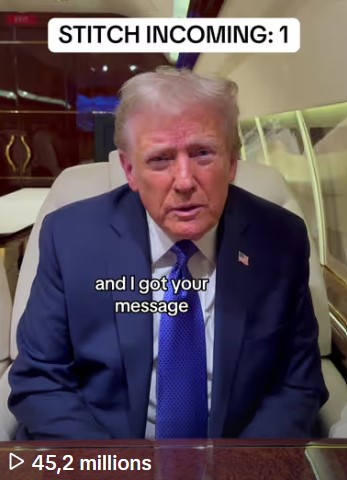
Under the slogan “America First”, Trump is proposing an unprecedented strategy: the annexation of foreign territories, including Canada, Greenland and Panama. These initiatives are intended to bolster American power through access to natural resources, improved trade routes and strengthened defence capabilities. With 12.25 million square kilometres potentially at stake, these ambitions mark a clear break with traditional diplomatic norms.
Greenland, rich in natural resources and vital to Arctic defence, is at the top of the list of priorities. The Trump administration had already begun negotiations in 2019, but the public disclosure of those talks brought any progress to a halt. Today, Trump appears ready to consider coercive measures, provoking outrage in Denmark and the European Union, which regards the territory as falling under its jurisdiction. Trump is also seeking to regain control of the Panama Canal, a strategic chokepoint the United States ceded in 1977. Criticising recent toll increases and China’s growing involvement, he argues that this infrastructure must return to American influence in order to safeguard the commercial and strategic interests of the United States. The Panamanian authorities have rejected these proposals, citing national sovereignty and international law.
Among his most controversial proposals, Trump has raised the possibility of annexing Canada, referring to Justin Trudeau as “Governor Trudeau”. Although Ottawa greeted the idea with sarcasm, it reflects a broader vision of using economic and diplomatic pressure to reshape bilateral relations. Trump has also threatened to impose steep tariffs to reduce the US trade deficit.
The risks of a new world order
This expansionist vision is part of a reworked version of “America First”. It seeks to address contemporary challenges such as artificial intelligence, climate change and growing geopolitical rivalries. However, it could heighten tensions with powers such as China and Russia, increasing the risk of conflict in sensitive areas such as Taiwan and Ukraine.
While this radical approach promises to reassert American supremacy, it raises questions about its compatibility with global stability and respect for international law. Public opinion and policymakers, in Washington and elsewhere, will be divided over these initiatives. By redefining international relations and American ambitions, Donald Trump is poised to leave a lasting mark on world politics. As criticism mounts, one thing is certain: Trump’s second term is bound to upset the existing geopolitical balance.
*Translated from English by AI
Translated from French. The French original prevails.