Opposed to military intervention against Iran, the director of the US National Counterterrorism Center, Joe Kent, has stepped down, condemning the war as unjustified. The dramatic resignation, reported by several American media outlets, highlights internal divisions within the administration.
Joe Kent has announced his resignation in protest at the war being waged against Iran, according to several American media outlets, including Reuters and the Washington Post. The decision is a rare move at such a senior level and underlines a deep strategic disagreement with current foreign policy.
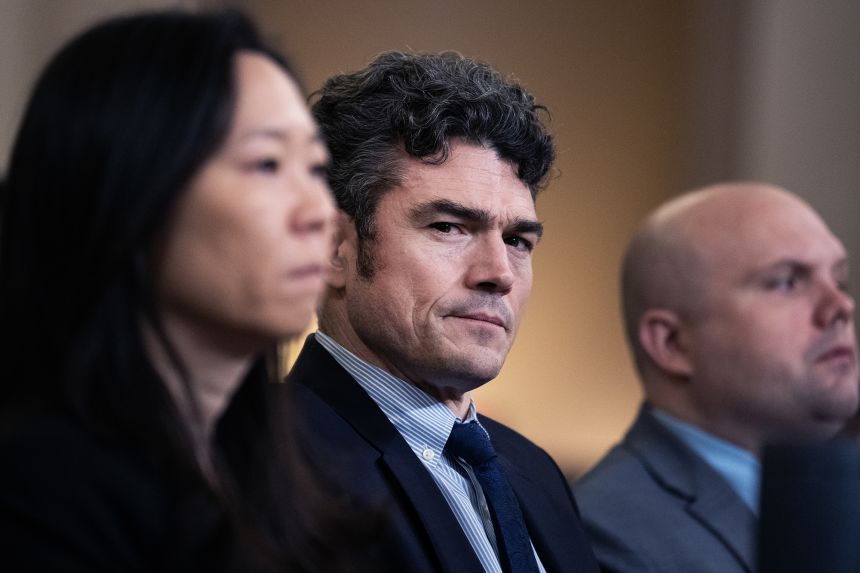
As director of the National Counterterrorism Center, Joseph Kent becomes the first senior official to leave his post as a direct result of the conflict. (Reuters). In his resignation letter, he states that he cannot “in good conscience support” the war, arguing that it is not based on any imminent threat to the United States. (Washington Post) At the heart of his stance is the very legitimacy of the military intervention. The official believes that Iran did not pose an immediate danger to American security, a condition frequently invoked to justify military action.
He goes further, claiming that the conflict was triggered under outside influence and pointing in particular to pressure linked to the interests of allies in the Middle East. (Reuters). These highly sensitive accusations have provoked strong reactions across the American political class, with some condemning the remarks as controversial while others hail them as an act of moral consistency. (Washington Post). The resignation highlights tensions already apparent within the US security establishment. The outgoing director belonged to a so-called “anti-interventionist” camp, opposed to prolonged military engagements abroad.
His departure illustrates a rift between proponents of a hard line on Iran and advocates of a more cautious policy focused strictly on US interests. Notably, several political figures, including in Congress, have acknowledged the absence of solid evidence of an imminent threat, fuelling the debate over the legitimacy of the war. (Washington Post). Beyond the individual case, the resignation sends an important political signal. It comes amid a widening regional conflict, marked by strikes, energy tensions and growing instability in the Middle East.
It could further undermine the cohesion of the US administration and fuel criticism, both at home and abroad, of the strategy adopted towards Iran. Although the decision remains isolated for now, it could encourage other dissenting voices within US institutions to speak out. In an already tense climate, the resignation above all symbolises a broader question: that of the cost, objectives and legitimacy of US military interventions in the Middle East.
Translated from French. The French original prevails.